
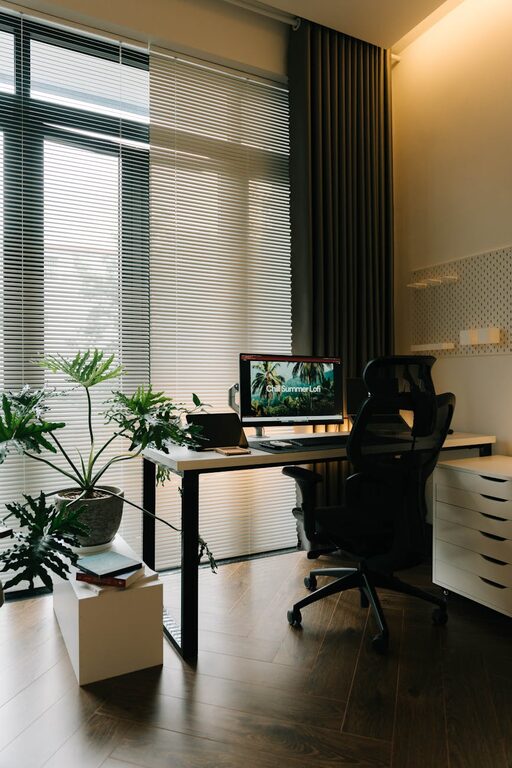
Creating a home workspace that fosters both relaxation and productivity can significantly improve how you feel about your workday — and how much you accomplish. Whether you work remotely full-time or need a dedicated spot for occasional projects, designing the right environment helps you focus and stay motivated without feeling stressed. Here are practical tips to help you build a balanced, comfortable workspace at home.
1. Choose the Right Location
Your workspace location sets the foundation for your productivity and relaxation.
– Pick a quiet spot: Find an area in your home with minimal distractions where you can concentrate.
– Natural light matters: Try to set up near a window to benefit from daylight. It boosts mood and reduces eye strain.
– Separate from high-traffic zones: Avoid areas where family members or roommates often pass through to limit interruptions.
If space is limited, even a small corner with a desk can work well when carefully arranged.
2. Optimize Your Desk and Chair Setup
Ergonomics plays a big role in keeping you comfortable and focused.
– Invest in a good chair: Choose one with good back support and adjustable features to prevent aches.
– Desk height matters: Your desk surface should allow your forearms to rest flat with elbows at about 90 degrees.
– Screen placement: Position your computer monitor at eye level and about an arm’s length away to reduce neck and eye strain.
Regularly adjusting your posture and taking brief breaks to move will also help.
3. Declutter and Organize
A tidy workspace keeps your mind clear and minimizes stress.
– Limit clutter: Keep only the essentials on your desk and store other items in drawers or shelves.
– Use organizers: Desk trays, pen holders, and filing systems help keep things neat.
– Regular clean-up: Spend a few minutes at the end of each day putting things back in place.
A clean and organized area invites focus and efficiency.
4. Personalize Your Space
A workspace that feels welcoming encourages you to spend time productively.
– Add plants: Greenery can reduce stress and improve air quality.
– Include meaningful items: Photos, art, or a favorite mug can make the environment feel more like your own.
– Choose calming colors: Soft blues, greens, or neutrals help create a soothing atmosphere.
Balance personalization with simplicity to avoid distractions.
5. Control Lighting and Noise
Good lighting and sound control improve comfort and concentration.
– Layer your lighting: Use a combination of overhead lights and desk lamps to avoid harsh shadows.
– Natural light filters: Use blinds or curtains to control glare without blocking daylight.
– Manage noise: Consider noise-cancelling headphones or white noise machines if you can’t avoid loud surroundings.
Adjust these elements according to the time of day and the tasks you’re working on.
6. Incorporate Movement
Sitting all day can lead to fatigue and stiffness, so making room for movement is key.
– Use a standing desk: If possible, alternate between sitting and standing.
– Stretch often: Set reminders to stretch or walk around at regular intervals.
– Exercise gear nearby: Keep resistance bands or a yoga mat within reach for quick activity breaks.
Moving keeps your energy levels up and your body healthy.
7. Manage Digital Distractions
Phones, social media, and email can easily interrupt your flow.
– Set boundaries: Turn off non-essential notifications during focused work periods.
– Use apps wisely: Apps that block distracting websites can help maintain discipline.
– Organize digital files: Keep your digital workspace as tidy as your physical desk.
A well-managed digital environment supports productivity and lessens stress.
8. Establish a Routine
A consistent schedule helps train your brain for work mode and relaxation.
– Start with a morning ritual: Even a short routine primes your focus.
– Set clear working hours: Define when your workday begins and ends.
– Take breaks: Regular short breaks rejuvenate your mind.
Consistency creates rhythm and a healthy work-life balance.
—
Designing a comfortable, organized, and inspiring home workspace can transform your work-from-home experience. By considering your environment, comfort, and habits, you’ll find it easier to stay calm, productive, and motivated every day. Try implementing these tips step by step to create a space that truly supports your goals.